
December 5, 2023

Wearing Hearing Aids on a Plane: Security, Pressure and Packing

Not knowing what to expect at the airport can make traveling with hearing aids feel stressful. The good news is that, in most cases, you can wear your hearing aids from check-in to landing, and a little preparation makes air travel smoother. At The Hearing Center of Ohio on Neil Avenue in Columbus, board-certified hearing
Does Your Family History Put You at Risk for Genetic Hearing Loss?

If a parent or grandparent struggled to hear, you may wonder whether your own hearing is headed the same way. Hearing loss can run in families, though you won’t necessarily be as susceptible as your relatives. At The Hearing Center of Ohio on Neil Avenue in Columbus, board-certified hearing instrument specialist Dick Frankenberg, B.S., BC-HIS,

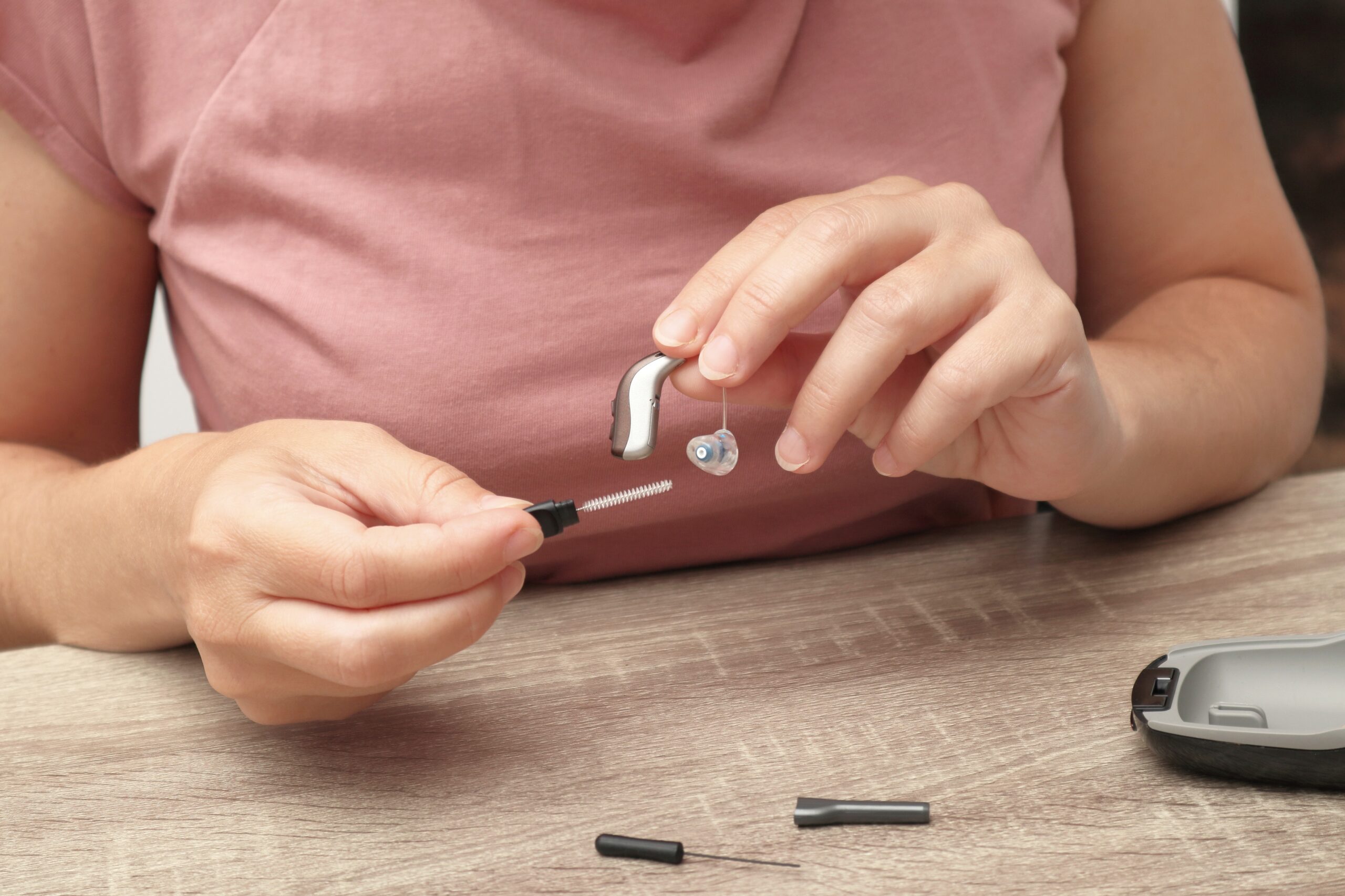
Woman holding a receiver-in-canal hearing aid and a cleaning brush near its charging case, from The Hearing Center of Ohio in Columbus, OH

Clean Hearing Aids the Right Way With Daily Care and Weekly Checks

If your hearing aids sound a little flat by the end of the week, wax and moisture may be to blame. A consistent hearing aid cleaning routine helps keep your devices working well and prevents the frustration of buildup interfering with sound. At The Hearing Center of Ohio in Columbus’ Arena District, board-certified hearing instrument

Muffled Ear With No Wax Buildup? How to Ease a Clogged Ear

When one ear feels stuffed and voices start to sound far away, earwax is the usual suspect, so it’s confusing when there isn’t any. At The Hearing Center of Ohio in Columbus’ Arena District, board-certified hearing instrument specialist Dick Frankenberg, B.S., BC-HIS, helps clients sort out what may be behind ear fullness and points them

Stopping Hearing Aid Whistling: Causes, Solutions, and Clinical Care

An abrupt high-pitched squeal from a hearing aid can be jarring and disruptive to daily life if the underlying source goes unaddressed. Our audiology clinic can determine if the acoustic feedback stems from poor physical fit, cerumen impaction, programming parameters, degraded components, or internal electronic failure. Understand the primary causes of acoustic feedback and learn

Why Is Hearing in Loud Dining Rooms Hard? Evidence-Based Tips

Following dinner conversations becomes challenging when high ambient noise interferes with your focus and hearing. We perform comprehensive diagnostic assessments to evaluate hearing in quiet rooms and challenging acoustic spaces to identify functional deficits. After uncovering the precise factors driving your difficult hearing, our team helps you select individualized auditory solutions. Understanding the Contrast Between

Why Your Hearing Aids Could Be Causing Unwanted Headaches

Properly fitted hearing aids are constructed to alleviate your particular hearing loss needs. Irrespective of whether you are new to prescription hearing aids or are a veteran wearer, if your hearing aids produce headaches or lingering aches, a clear fix is available. A properly adjusted hearing aid will fit comfortably in your ear and provide

Understanding Next Steps After an Infant Hearing Test Failure

For parents bringing home a newborn, understanding that their baby exhibits auditory deficits tends to spark heavy emotional dread. Fortunately, the reassuring perspective dictates that through timely checks and early help, babies with hearing issues will achieve great success. Clearly, such children consistently gain core language skills, social capabilities, and firm bonds with people in

The Hidden Connection: Can Impaired Hearing Drive Chronic Depression and Anxiety?

A decline in hearing capacity stretches far beyond raw physical functioning; it acts as a deeply personal challenge that gradually alters an individual’s worldview. Even though most individuals view hearing impairment solely as an inability to process clear audio, its psychological toll remains unseen yet deeply impactful. Ranging from brief annoyance to sustained withdrawal, failing

The Architecture of Sound: Does Ear Shape Alter Auditory Tracking?

It is a well-documented biological fact that dogs with long, floppy ears do not capture directional sound waves as efficiently as pointed-ear breeds. Consequently, it is entirely logical that common mammals like felines, canines, and small rodents retain the physical capacity to pivot their outer ears to maximize sound capture from any coordinate. This direct

Anatomy and Perception: Examining the Direct Impact of Ear Shape on Hearing

It is a well-documented biological fact that dogs with long, floppy ears do not capture directional sound waves as efficiently as pointed-ear breeds. Consequently, it is entirely logical that common mammals like felines, canines, and small rodents retain the physical capacity to pivot their outer ears to maximize sound capture from any coordinate. Importantly, these

How Loud Is Too Loud? Car Noise and Hearing Loss Risk

You are deeply attached to your personal vehicle. The independence that driving provides is irreplaceable to you, but could your choice of transport be quietly driving permanent acoustic trauma? Driven by these concerns, let’s explore how transport choices influence long-term wellness. Let’s examine vehicle-related hearing loss and some simple solutions to prevent it. The Auditory